

Analysis of geopolitical tensions in the Middle East, historic records on USD/JPY and mixed signals on US employment.
The week was dominated by a resurgence of geopolitical risks, with new tensions in the Strait of Hormuz involving Iran, directly influencing crude oil prices and temporarily reviving the appeal of certain safe havens. On the macroeconomic front, attention focused on US employment data (notably the JOLTS and ADP reports) and inflation figures in Europe, which continue to dictate central bank monetary adjustment expectations in a market still particularly sensitive to the greenback's momentum.
1. USD:
The figures from the end of last week led us to a reduction in expectations regarding potential FED rate hikes, with publications on the labor market not as conclusive as previous ones. The CPI data on July 14 will be pivotal for the future of the US Federal Reserve’s monetary policy.
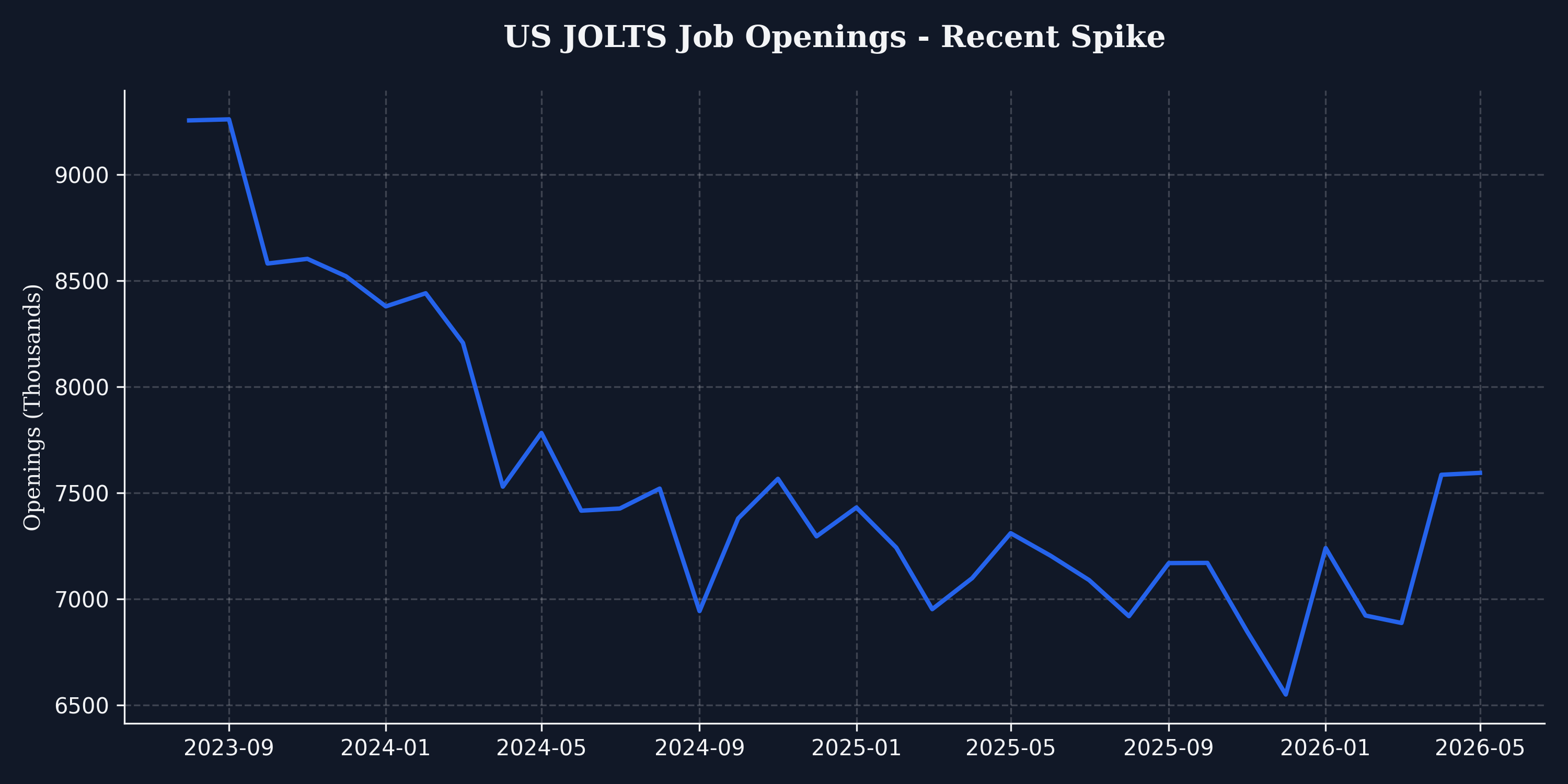
During the week, the JOLTS data came out above expectations (7.59M against 7.28M expected), which caused a strong intra-week appreciation of the dollar, even though the Consumer Confidence Index fell to 91.2. As pointed out by several analysts, if the labor market seems to maintain some demand, wage growth is not there. The rate hold cycle could therefore be called into question by the reality of economic growth in the face of potentially cyclical employment data.
2. EUR:
According to various ECB members, an imminent rate hike would be somewhat disproportionate, given the data released last week. Nevertheless, decision-makers are waiting to see how core inflation will have evolved, and whether or not there will be a second round of consequences from the various geopolitical conflicts.
Recent publications, notably inflation in Germany, have kept the market waiting. Operators continue to scrutinize Christine Lagarde’s speeches, but the EUR/USD pair remains currently mostly driven by the relative strength of the dollar and the still significant flows on the European and American equity markets.
3. GBP:
The UK is still going through a delicate period, exacerbated by the uncertain political climate following the recent departure of its Prime Minister. Tuesday’s economic data, including the publication of GDP (q/q), were closely scrutinized. Nevertheless, it is mainly the context of British fiscal measures that continues to weigh on the pound sterling and bonds (gilts). The currency suffers from strong reactivity to the slightest political announcements and lacks its own catalysts to reverse the trend against the dollar.
4. JPY:
Over the past two weeks, interventions by Japanese authorities on the foreign exchange market have become increasingly frequent, and volatility levels are also increasing. According to Friday’s report published by ING, interventions are reportedly taking place around the hours of US macroeconomic data releases, in order to support their 2024 logic.
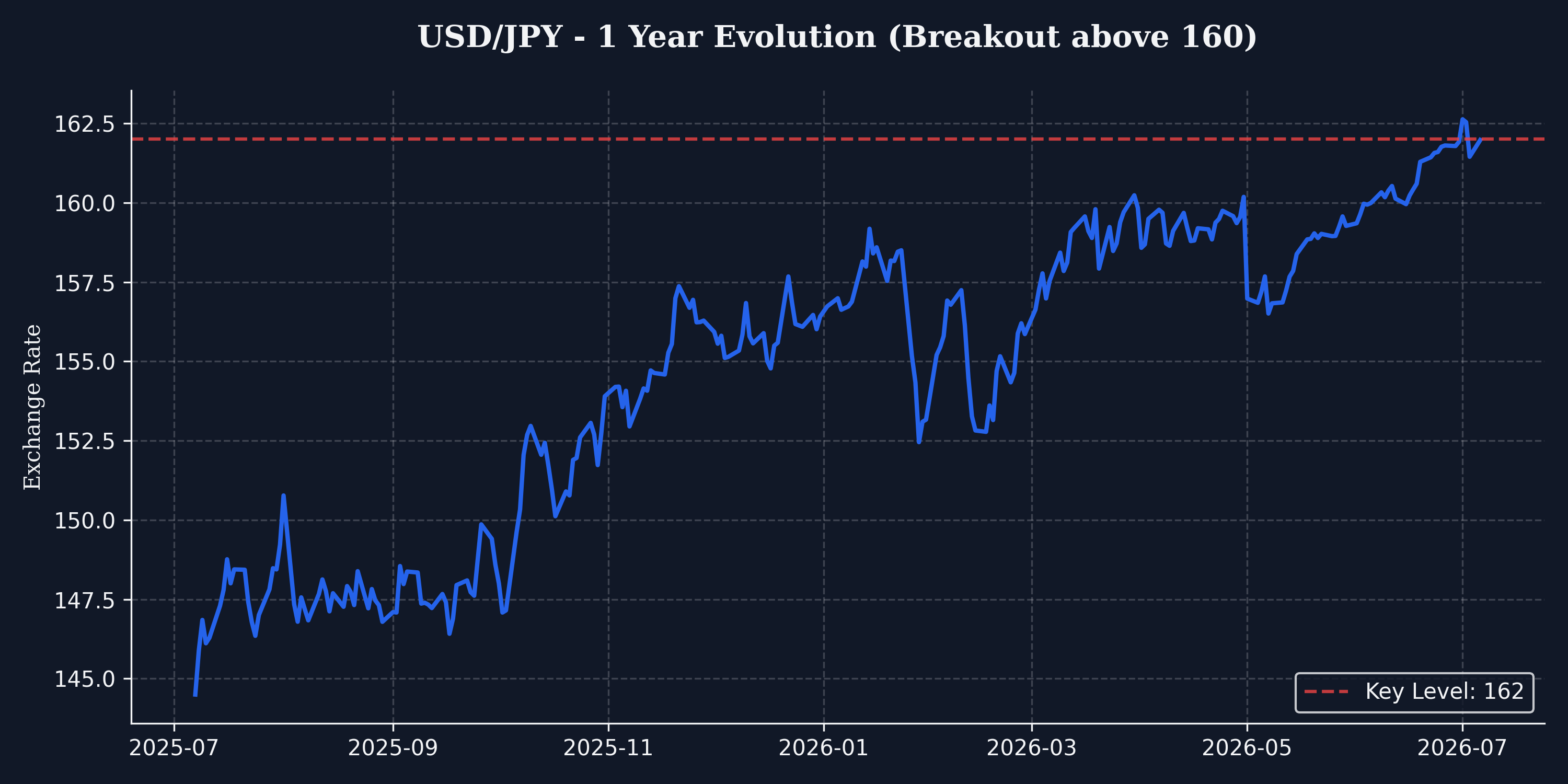
The sudden appreciation of the dollar following the JOLTS data pushed the USD/JPY cross to break 45-year historical highs. With the 162 level now acting as a psychological and technical support, the probabilities of massive Japanese interventions remain the central risk for this pair in the days to come.
5. CAD - NZD - AUD:
The Oceanic dollars (Aussie and Kiwi) as well as the Canadian dollar remain extremely reactive to fluctuations in commodities, primarily oil. The meetings and tensions between the United States and Iran regarding the control of the Strait of Hormuz caused erratic movements on black gold.
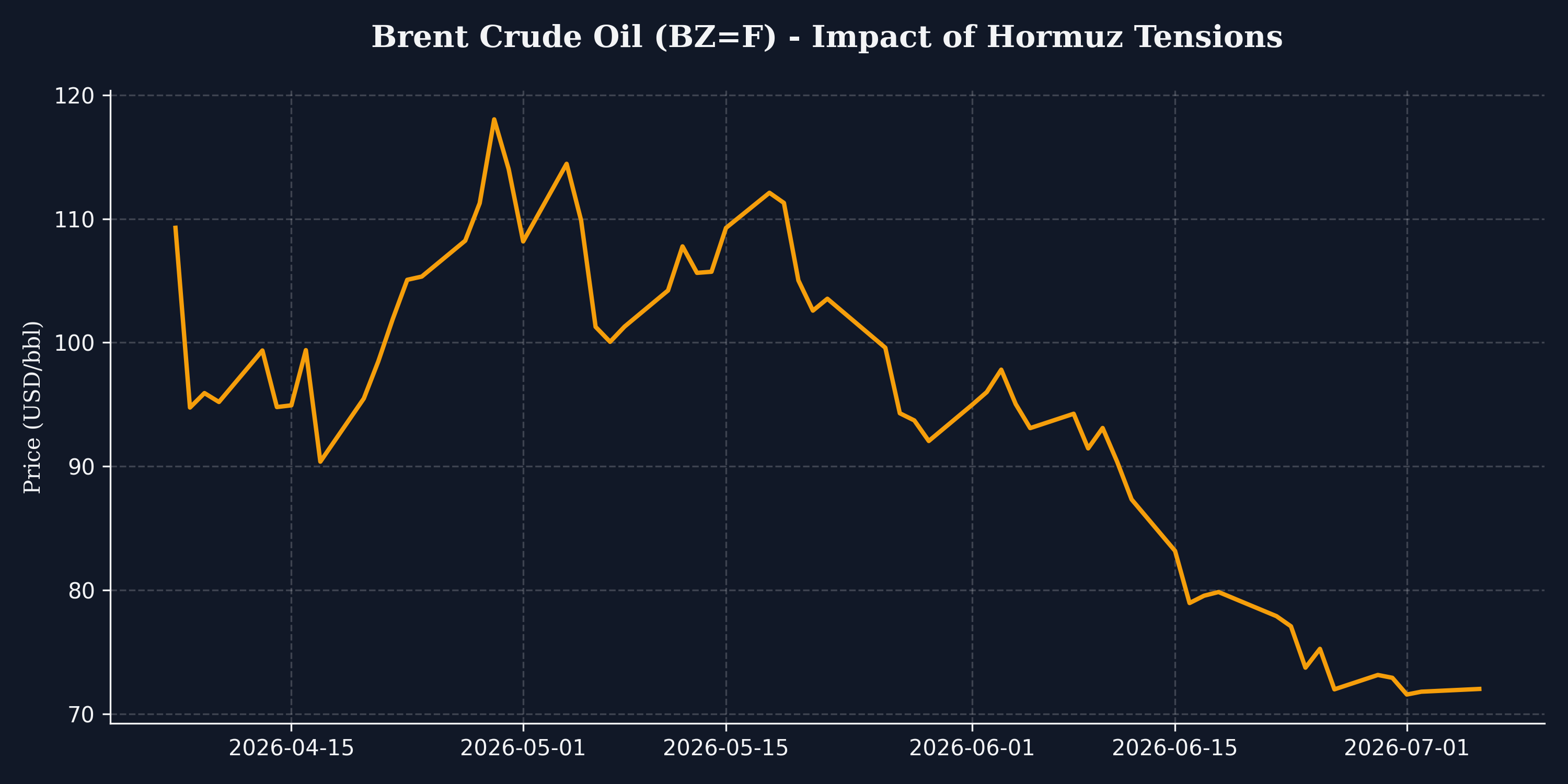
By capillarity, crosses linked to the AUD (such as AUD/JPY and AUD/USD) were particularly exposed. The short-term momentum of these currencies remains constrained by global risk appetite and the dominance of the US dollar.
Written by Léo Lombardini
Cette analyse a-t-elle été utile à votre allocation ?
Attribuez une note de 1 à 5 étoiles (réservé aux membres Horacle Capital).

Léo Lombardini
Trader, Economics & Quant
Passionate about market analysis and statistical modeling, Léo oversees the strategic allocation of the model portfolio and the development of Horacle Capital's quantitative frameworks, as well as writing weekly articles.
Learn more about the author →Go further with our models
Get the weekly biases of our models by email, or open the full platform.