
Weekly analysis: Fed status quo, oil price drop, and political shock in the UK with Keir Starmer's resignation.
The context over the past week has remained much calmer and less volatile than previous weeks, with tensions in the Middle East easing on one side, and various macroeconomic data releases largely aligning with expectations.
1. USD:
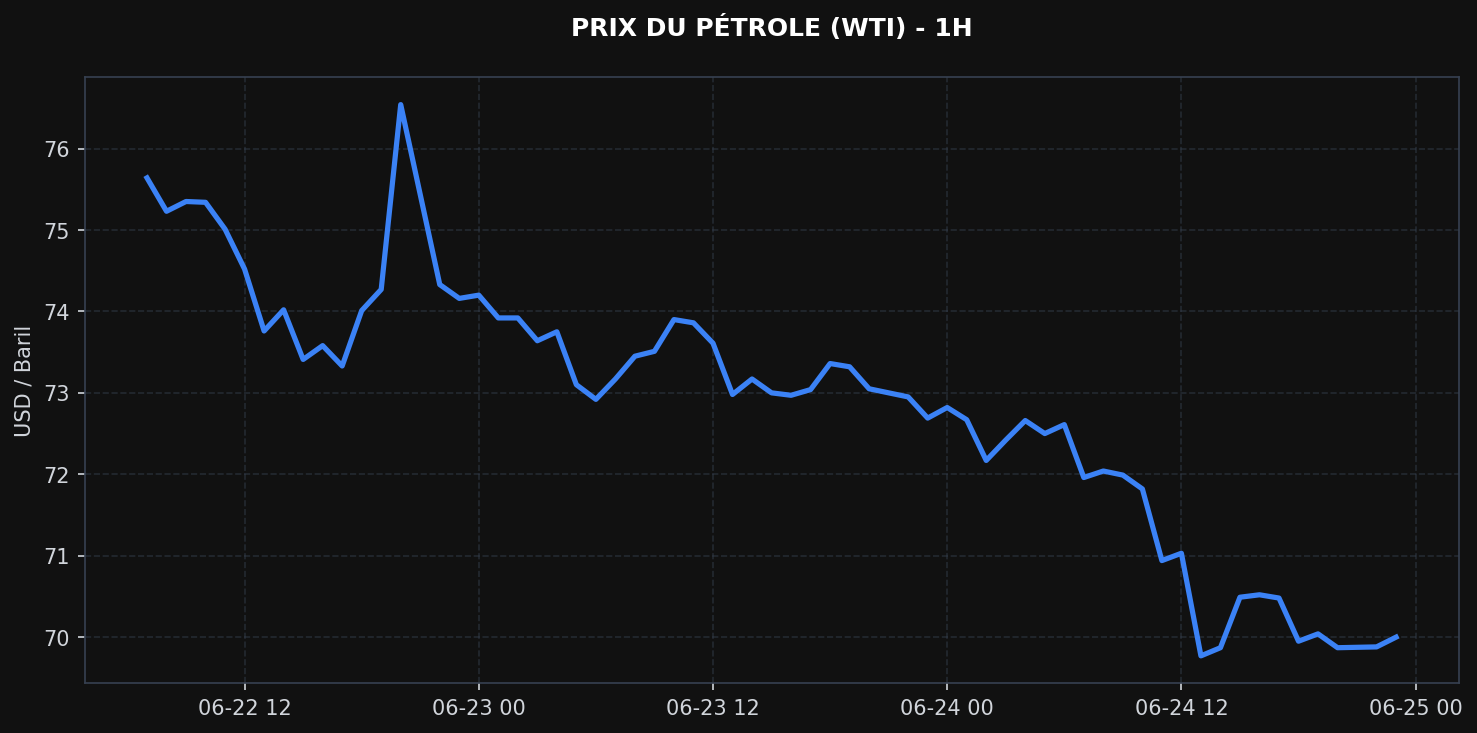
Last weekend, tensions cooled between the Middle East and the United States, culminating in a peace treaty between the two parties. This agreement had to be signed before Friday to ensure the validity of peace conditions, such as the reopening of the Strait of Hormuz. The effects of this announcement were immediate, as oil plummeted at the opening and throughout the first half of the week.
Finally, the first meeting of the new FED Chairman took place this Wednesday, June 17. We can say goodbye to our beloved “Good-Afternoon” and hello to the “Good-Day”. All jokes aside, the FOMC meeting did not bring any drastic changes to monetary policy. Even though the governor’s overall tone remains hawkish, the actions taken were dovish given there were no changes to key interest rates. Indeed, he appears slightly more incisive than his predecessor, with a particular focus on inflation. Ex ante, President Trump had sought him out because he knew his predisposition for playing with lower rates, but the current economic climate suggests that K. Warsh might well raise rates if inflation does not deign to slow down. As a reminder, the FED has two official mandates, unlike its Japanese and European counterparts. The first relates to inflation control with a 2% target, and the second is to guarantee an optimal situation of full employment in the US zone.
From the perspective of measures taken so far, rates remain unchanged; however, open market operations will aim to purchase treasury bills (typically 3-year maturity) to ensure sufficient reserves.
Finally, the DXY appreciated strongly following the FOMC meeting, driven by open market operations, strong seasonality for the dollar, and a highly accommodating geopolitical context following the peace treaty.
Friday’s session, marked by a public holiday in the United States, led to reduced liquidity in the markets, thus creating a historic window of opportunity for an intervention by Japanese authorities. The USD/JPY cross is now evolving in a warning zone after crossing its 2024 peaks last Thursday. In the absence of concrete measures today, the field remains wide open for a speculative offensive towards 162/163, carried by the structural vigor of the greenback.
2. GBP:

At the time of writing (Monday, June 22, 2026), the British Prime Minister has just resigned. Indeed, Keir Starmer handed in his resignation this very morning, on the eve of the 10-year anniversary of Brexit. The leader of the Labour Party will remain Prime Minister until the vote for his successor; for now, expectations are heavily leaning towards the Mayor of Greater Manchester, Andy Burnham.
Andy Burnham is a member of the so-called “soft left,” which positions itself as a middle ground between the right and the left.
According to Burnham’s analysis, the decline in the UK’s economic dynamism revolves around four deleterious pillars: marked deindustrialization, waves of privatization, the rigor of austerity measures, and, of course, the structural repercussions of Brexit.
The doctrine of Manchesterism aims to restore local authorities’ sovereignty over strategic sectors such as housing, public infrastructure, mobility, and training, drawing direct inspiration from reforms already proven within the Manchester metropolis.
His action at the mayoral office remains inseparable from the Bee Network. This initiative completely restructured urban transport via an integrated system under local governance, modeled on London’s efficiency, while ensuring accessibility through a fare capped at £2 per journey.
3. JPY:
Retail sentiment is pushing for strong yen buying in the coming weeks, given the key levels reached on USD/JPY (161). Indeed, as we have repeatedly highlighted in our research, Japanese financial authorities have a desire to keep the yen strong against other currencies, and this is generally done through the USD/JPY pair, which typically undergoes significant selling pressure in the key 160 - 161 zones. Our view on this overall sentiment is not quite the same, because if no intervention is carried out, we see the USD/JPY cross moving higher than currently (see reasons below), as highlighted in the Dollar section earlier.
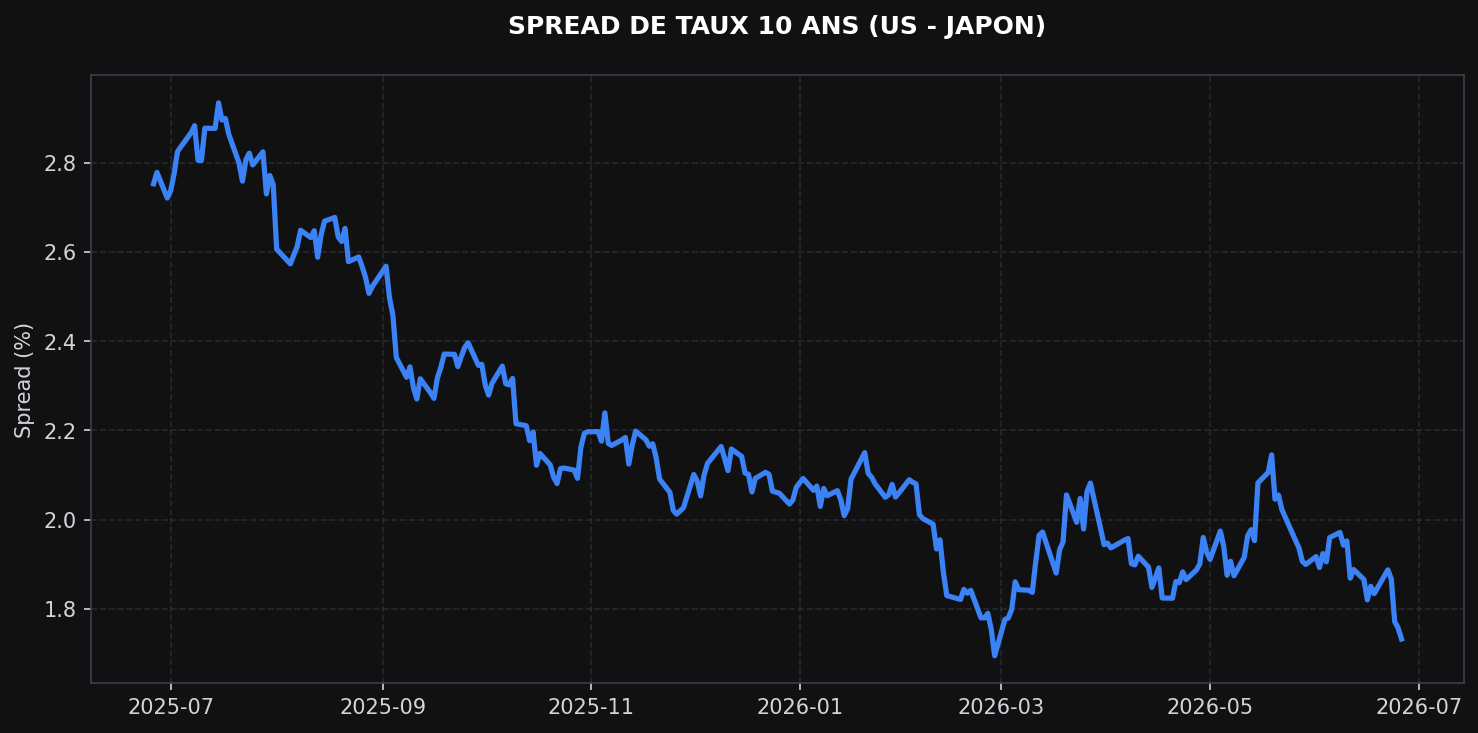
For over 2 months now, Japan has been striving to reverse the yen’s bearish trend, but in vain. Initially, this involved deploying $70 billion into the foreign exchange market, and secondly, raising key interest rates. Indeed, this week the Bank of Japan raised rates to finally reach 1%. But these actions on the forex market and on rates did not have the desired effects. Because even though the gap between the rates of the two monetary zones has narrowed, it nonetheless remains substantial. The yield on 10-year Japanese government bonds currently stands at 2.64%, compared to 4.451% for 10-year US Treasuries. Such a disparity remains sufficient to sustain the carry trade dynamic.
Cette analyse a-t-elle été utile à votre allocation ?
Attribuez une note de 1 à 5 étoiles (réservé aux membres Horacle Capital).

Léo Lombardini
Trader, Economics & Quant
Passionate about market analysis and statistical modeling, Léo oversees the strategic allocation of the model portfolio and the development of Horacle Capital's quantitative frameworks, as well as writing weekly articles.
Learn more about the author →Go further with our models
Get the weekly biases of our models by email, or open the full platform.